
The personal loan market has grown into a sprawling ecosystem where banks, credit unions, and fintech firms compete for your dollars. In 2026, borrowers with anything from excellent to fair credit can find an option that fits their budget—provided they know where to look and what to ask for.
Where the Competition Is Heating Up
Every month, NerdWallet releases a fresh list of top personal lenders. Their 2026 roundup highlights Upgrade, Best Egg, LendingClub, Rocket Loans, and Achieve Personal as the leaders in different categories such as “best overall” or “best for debt consolidation.” Each lender offers loan amounts ranging from $1,000 to $60,000, repayment terms between two and seven years, and minimum credit scores that hover around 600. The variation is wide enough that a borrower with a 620 FICO can still snag an attractive rate if they choose the right provider.
For many consumers, the first hurdle is finding a lender that offers soft‑check pre‑qualification. This step allows borrowers to view potential APRs and terms without impacting their credit score. Once a borrower knows what to expect, they can narrow down choices by comparing the fine print—origination fees, autopay discounts, and whether the loan is secured or unsecured.
To help you start the search, Loan Now offers a quick pre‑qualification tool that shows you your likely rate range across several lenders, including those in NerdWallet’s top picks. The interface is simple: enter your SSN and income, and within seconds you’ll see whether you qualify for rates as low as 7% or if you’re headed toward the higher end of the spectrum.
Why Soft Checks Matter
A soft credit inquiry does not pull a hard score from the bureaus. That means your credit report remains untouched, and you can compare multiple offers without fear of damage. In contrast, a hard inquiry—required when you formally apply—can dip your score by a few points. For borrowers with less-than-perfect credit, avoiding unnecessary hard pulls is especially critical.
According to NerdWallet’s data, the average APR for borrowers who pre‑qualified in April 2026 was roughly 18.7% for those with good credit (FICO 690–719). Those with excellent credit (720+) saw rates near 14.4%, while fair and bad credit brackets hovered around 22% and 26%, respectively.
Because the loan amount, term length, and your debt‑to‑income ratio all influence the final APR, a soft check gives you a realistic snapshot before you commit to an application. It also lets lenders adjust offers based on how aggressively they want to compete for your business.
The Role of Loan Amounts and Terms
Most personal loan providers in 2026 allow borrowers to choose amounts between $1,000 and $60,000. However, the larger the loan, the more scrutiny lenders apply. A $50,000 loan with a seven‑year term carries a higher risk than a modest $5,000 note with a three‑year payoff schedule.
Borrowers often underestimate how the repayment term impacts total cost. A shorter term—say, two or three years—means lower monthly payments but also less interest over the life of the loan. Conversely, stretching the term to five or seven years can reduce your monthly obligation but increase the overall interest paid by 20–30%.
For those who need a quick fix—such as consolidating credit card debt—a three‑year plan is typically optimal. If you’re planning a home improvement project that requires a larger sum, a five‑year term might strike the right balance between affordability and cost.
State Caps: The New Frontier of Consumer Protection
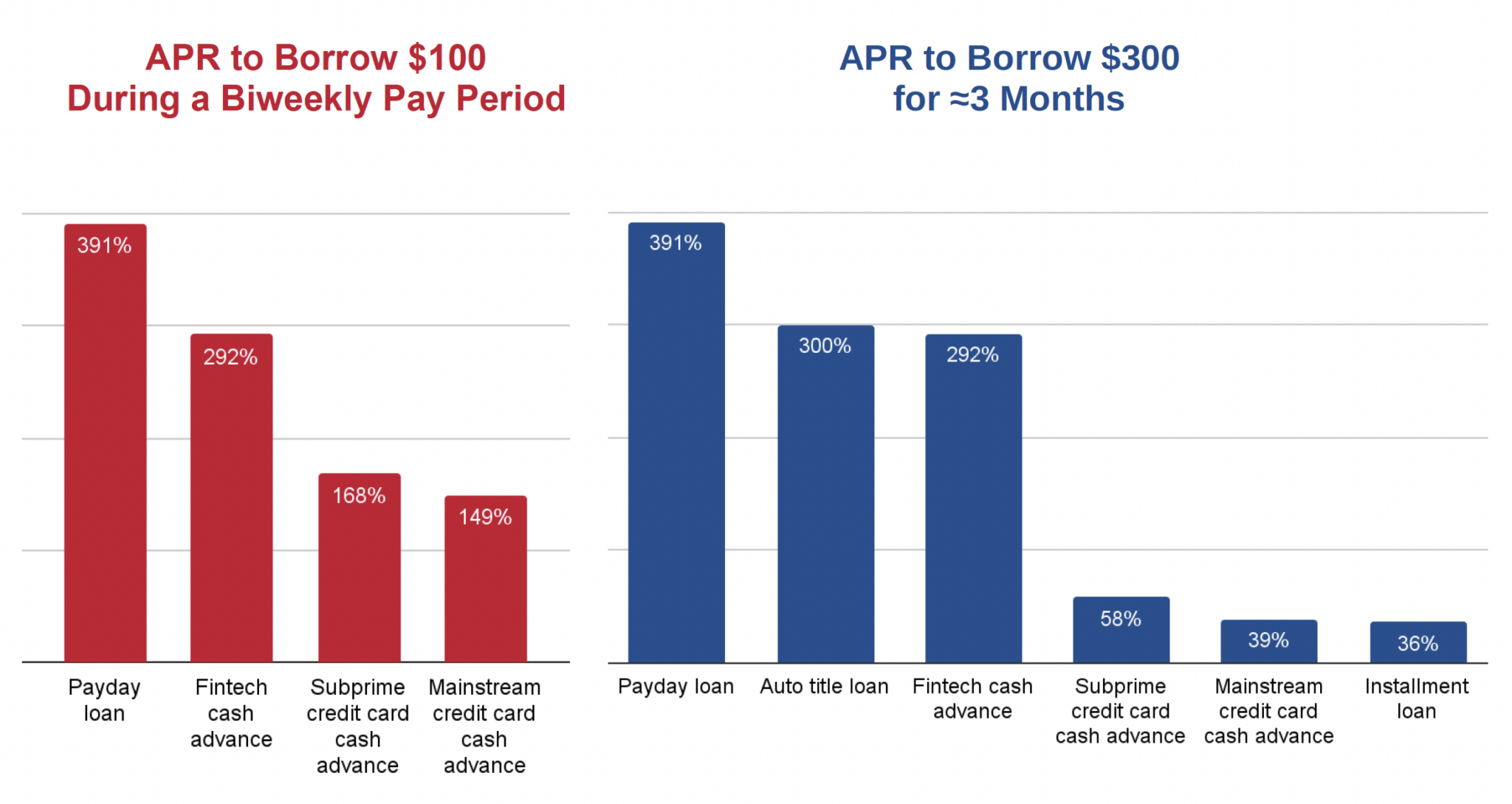
The National Consumer Law Center’s 2026 report on predatory installment lending highlights how state-level caps can curb exorbitant rates. States such as Massachusetts, New York, and California cap APRs at 36% for loans under $1,000. In contrast, states like Missouri and Delaware currently impose no limits, allowing lenders to charge rates that exceed 100% on small loans.
- Massachusetts: Caps APRs at 36% for all installment loans under $1,000.
- California: Enforces a 30% cap on most unsecured installment loans, with higher caps for larger amounts.
- Missouri: No cap; lenders can set rates above 100%, but other fees are regulated.
These differences create a patchwork of protection that borrowers must navigate. A consumer in California might enjoy a low rate on a $500 loan, while the same borrower in Missouri could face an APR over 60% for a comparable amount.
How Caps Affect Lenders and Borrowers
Lenders operating across multiple states often structure their products to comply with the strictest regulations. This means that a lender offering a $500 loan at 30% in California will likely charge a similar rate in neighboring states, even if those states allow higher APRs.
For borrowers, understanding state caps is essential when shopping for loans online. If you’re considering an off‑state lender, check whether the provider’s rates align with your home state’s limits. A quick Google search of “installment loan cap
Recent Legislative Changes
The 2026 report also noted several legislative updates:
| State | Change |
|---|---|
| Tennessee | APR cap increased from 30% to 36% for loans over $100. |
| Oklahoma | Inflation adjustments raised closing fees by ~3%, slightly bumping APRs on $2,000 loans. |
| Mississippi | Extended the sunset date of its Credit Availability Act to 2030; increased max loan amount from $2,500 to $3,250. |
These shifts underscore the dynamic nature of installment lending regulation. Borrowers should stay informed, especially if they plan to apply for a large loan or one with a long term.
Choosing the Right Lender: A Checklist
- Check Your Credit Score: Know your FICO before you start pre‑qualifying. It sets realistic expectations for rate ranges.
- Compare APRs, Not Just Rates: The APR includes fees and compounding, giving a true picture of cost.
- Look at Fees: Origination fees can offset low rates; autopay discounts often save 0.25–0.5% per year.
- Assess Repayment Flexibility: Can you choose your payment date? Are there prepayment penalties?
- Verify State Compliance: Ensure the lender’s rate aligns with your state’s caps, especially for small loans.
By following this checklist, borrowers can sift through the noise and zero in on a loan that balances affordability, speed of funding, and overall transparency. Remember that the best lender is not always the one with the lowest APR; it’s the one that fits your unique financial profile and repayment comfort.
Speed Matters: Funding Times Across Lenders
Fast funding has become a hallmark of online lenders. Many fintech firms approve applications within minutes and disburse funds on the same day or next business day. Banks and credit unions, however, may take three to five days to process paperwork and transfer money.
If you need cash quickly—for an emergency repair or unexpected medical bill—a lender with same‑day funding can be a lifesaver. In contrast, if you’re planning a long‑term project like a kitchen remodel, the speed of funding is less critical than the overall cost.
Secured vs. Unsecured: Which Path to Take?
Unsecured personal loans do not require collateral, making them easier to qualify for but often at higher rates. Secured loans—backed by assets such as a car or home equity—usually offer lower APRs and larger loan amounts.
- Secured Loans: Lower risk for lenders, meaning better rates; ideal for large sums (>$20,000) or borrowers with fair credit.
- Unsecured Loans: No collateral needed; suitable for smaller needs (<$10,000) and those who want to avoid putting assets at stake.
When you choose a secured loan, be mindful of the asset’s value. If your debt surpasses the collateral’s worth, you could face foreclosure or repossession if you default.
Understanding Fees Beyond APRs
While APR provides an overall cost estimate, lenders often add hidden fees that can inflate the final payment amount:
- Origination Fees: A flat charge (often 1–5% of the loan) deducted from your disbursement.
- Late Payment Penalties: Extra charges if you miss a payment or pay late.
- Prepayment Fees: Rare in personal loans, but some lenders charge for early payoff.
When comparing offers, subtract these fees from the APR to gauge true cost. A lender with a slightly higher APR but no origination fee might still be cheaper overall.
Using Loan Calculators Wisely
Loan calculators are handy tools that let you play with different scenarios—loan amounts, terms, and rates—to see how your monthly payment changes. However, remember that these calculators assume the APR is fixed; if a lender offers a variable rate, your payments could shift over time.
Always double‑check the calculator’s assumptions against the lender’s contract before you commit. A quick test: input a $10,000 loan at 7% for three years and compare the result to what the lender quotes after pre‑qualification.
What Borrowers Are Saying
Consumer reviews often highlight two recurring themes: speed of funding and customer service quality. A survey by NerdWallet in 2026 found that 78% of borrowers who used online lenders were satisfied with same‑day disbursement, while 65% appreciated the ability to set up autopay.
Conversely, borrowers with lower credit scores sometimes report higher interest rates and stricter repayment terms. This underscores the importance of pre‑qualifying to see realistic offers before you formally apply.
Financial Literacy Matters
The best lender can’t make up for a lack of financial understanding. Borrowers should ask questions about:
- How the APR is calculated
- What fees are included in the final cost
- Whether they offer any rate discounts (e.g., autopay, early payoff)
Armed with this knowledge, you can negotiate better terms or decide if a different lender might be more suitable.
Future Trends: What’s Next for Personal Loans?
The personal loan landscape is poised to evolve further in the coming years. Two key trends are shaping the market:
- Increased State Regulation: More states may adopt tighter APR caps and fee restrictions, especially after the 2026 NCLC report spurred public debate.
- AI‑Driven Underwriting: Lenders are integrating machine learning models that assess non‑traditional data—like utility payments—to broaden credit access.
These developments could make borrowing easier for underserved populations while protecting consumers from predatory practices. Stay tuned to NerdWallet’s updates and state consumer protection agencies for the latest news.
How to Keep Your Options Open
If you’re juggling multiple loan offers, consider a side‑by‑side comparison chart. List each lender, APR, origination fee, term, minimum credit score, and any special perks (like autopay discounts). This visual aid can help you spot the best overall deal at a glance.
Remember that borrowing is a long‑term commitment. Even if one lender offers an attractive rate today, future changes in your financial situation—or in state regulations—could alter what’s truly “best” for you.
Resources to Deepen Your Understanding
- NCLC Report on State Caps (2025): A comprehensive overview of APR limits across the U.S.
- NerdWallet’s Personal Loan Reviews: Updated rankings and lender profiles for 2026.
With these tools at your disposal, you’re better equipped to navigate the complex world of personal loans. Whether you need a quick infusion of cash or a long‑term financing plan, understanding rates, terms, fees, and state regulations will help you secure the best possible deal.