
The historical evolution of gambling tracing the roots of chance and risk
Origins of Gambling in Ancient Civilizations
The practice of gambling can be traced back to ancient civilizations, where chance and risk played significant roles in various cultures. In ancient China, archeological evidence suggests that gambling activities, including games of chance using tiles, date back to around 2300 B.C. These early forms of gambling were often associated with divination and community rituals, indicating that they were more than just forms of entertainment; they were deeply woven into the social fabric of these cultures. Today, you can explore diverse streaming content related to such themes on pikashow-in.top.

In ancient Egypt, artifacts such as dice made from ivory and bone reveal that dice games were prevalent. These games were not merely recreational; they often had connections to military strategies and social status. Additionally, the Greeks and Romans also had extensive gambling practices, using various forms of betting on games and sporting events. Such activities were celebrated in literature and were integral to social gatherings.
The evolution of gambling in these ancient societies established foundational concepts of chance, risk, and reward, shaping how future generations would view and engage with gambling. The interplay of luck and skill began to emerge, creating a backdrop for the more organized gambling systems that would develop later.
The Middle Ages and the Rise of Gambling Regulation
During the Middle Ages, gambling continued to thrive, but it also faced increasing scrutiny. In many parts of Europe, religious institutions and monarchs viewed gambling as a vice that led to moral decay. Nevertheless, the demand for gaming remained strong. The introduction of card games in this period opened new avenues for gambling, with games like poker emerging as social pastimes.
With the rise of organized gambling came the need for regulation. Laws began to emerge to manage gambling practices, reflecting society’s struggle between enjoying games of chance and controlling potential excesses. England, for instance, introduced laws in the 16th century to curtail betting and protect the public from the risks of gambling addiction.
The tension between prohibition and acceptance shaped gambling culture significantly. As gaming houses and betting parlors emerged, they became social hubs that reflected the growing interest in games of chance, even amidst regulation. This duality laid the groundwork for more formalized gambling systems in the coming centuries.
The Age of Enlightenment and Modern Gaming Innovations
The Age of Enlightenment brought about significant changes in various fields, including gambling. As societies became more enlightened, gambling evolved from clandestine activities to structured forms of entertainment. This period saw the development of new games, such as the roulette wheel, which became popular in French casinos. The emergence of these games marked a significant shift in gambling dynamics, emphasizing both chance and strategy.
Moreover, the creation of lotteries in Europe during this time represented a key evolution in gambling. Lotteries offered a legal means for governments to raise funds while providing citizens the thrill of winning through chance. This innovation highlighted the acceptance of gambling as a legitimate form of social and economic activity, paving the way for the diverse gambling landscape we see today.
The Age of Enlightenment also led to the establishment of the first official gambling houses in cities like Paris and London. These establishments set standards for fair play and customer service, contributing to a more organized gambling industry. As gambling became increasingly popular, it began to transcend social classes, inviting a broader audience to partake in games of chance.
The 20th Century: The Boom of Casinos and Online Gambling
The 20th century witnessed a gambling revolution, particularly with the establishment of casinos in Las Vegas and other parts of the world. Las Vegas, in particular, transformed into a global gambling hub, where extravagant casinos became synonymous with leisure and entertainment. This era saw the blend of luxury and chance, attracting millions of tourists who sought the thrill of the gamble.
The legalization of gambling in various states in the U.S. contributed to the industry’s rapid growth. Casino resorts began to offer not only gambling but also luxurious accommodations, fine dining, and entertainment shows. This multifaceted approach to gambling established casinos as key players in the tourism sector, fundamentally changing perceptions of gambling from a taboo activity to a mainstream form of entertainment.
The rise of technology in the late 20th century introduced online gambling, revolutionizing how individuals engage with games of chance. Online casinos began to emerge, allowing players to gamble from the comfort of their homes. This innovation expanded the gambling demographic, attracting a younger audience and making gambling accessible to a global market. The internet’s role in gambling represents a significant evolution in the industry’s landscape, further blurring the lines between chance and risk.
The Future of Gambling: Challenges and Opportunities
The future of gambling presents both challenges and opportunities as society grapples with issues related to addiction, regulation, and technological advancements. As online gambling grows, there are increasing concerns about responsible gaming practices and the need for effective regulations to protect vulnerable populations. The industry must navigate these challenges while finding innovative ways to attract and retain players.
Furthermore, advancements in technology, such as virtual reality and blockchain, are set to transform the gambling experience. Virtual reality casinos could offer immersive experiences, creating a new frontier for gaming. Blockchain technology can enhance transparency and security, addressing some of the industry’s longstanding issues regarding trust and fairness.
As gambling continues to evolve, it remains essential to strike a balance between enjoyment and responsibility. The industry’s future will likely involve collaboration between operators, regulators, and players to foster a sustainable environment that respects the roots of chance and risk while embracing the innovations of the modern era.
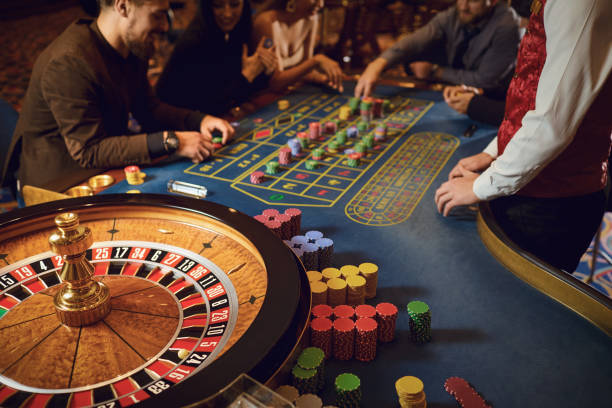
Exploring the Intricacies of Gambling Culture
Gambling culture encompasses a myriad of practices, beliefs, and traditions that have developed over centuries. It reflects societal attitudes toward risk, luck, and fate, often drawing individuals into a complex world of chance. From local betting shops to global online platforms, the culture of gambling is continuously evolving, influenced by technology, regulation, and consumer behavior.
As communities engage with gambling in various forms, it becomes an integral part of social interactions and entertainment. Understanding this culture is essential for recognizing the broader implications of gambling on society, including economic impacts and mental health considerations. Ultimately, the historical evolution of gambling offers insights into human behavior and societal change, illustrating how chance and risk have persisted as fundamental aspects of life.
The intricate dynamics of gambling culture highlight the significance of responsible gaming practices. As the industry continues to grow, fostering a culture of awareness and education around the risks associated with gambling is vital for ensuring that individuals can enjoy these activities without falling victim to their potential dangers.